Exploring the Future of POSIX in Cloud Technology

Overview
- POSIX acts as a crucial compatibility layer across diverse operating systems.
- The rise of cloud object storage is reshaping traditional data access methods.
- REST APIs are leading to innovative approaches in data management and accessibility.
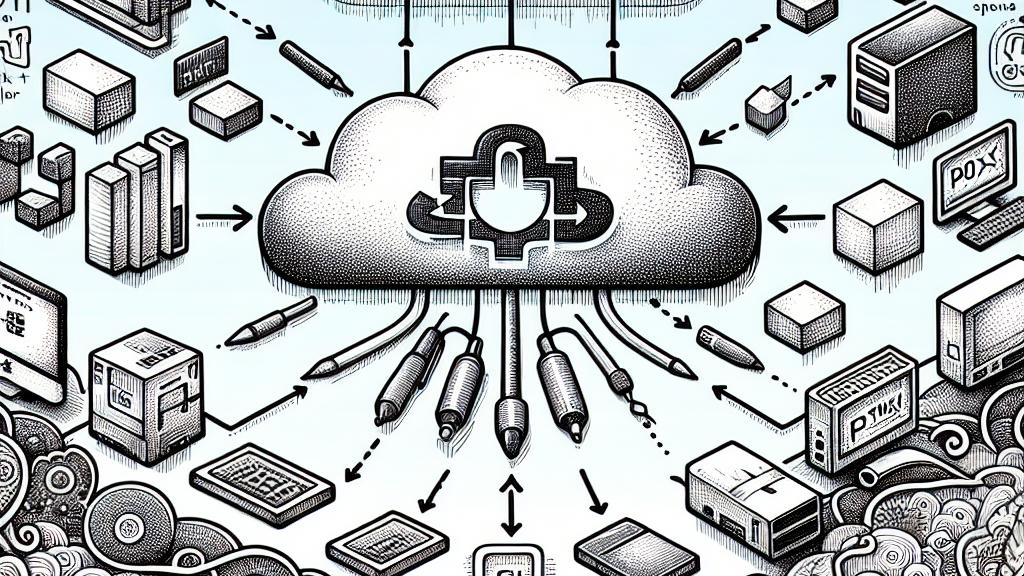
Understanding POSIX and Its Role
POSIX, or Portable Operating System Interface, is an essential set of standards that harmonizes interactions between different operating systems. Imagine a software developer keen to create an app that can effortlessly run on both UNIX and Windows; POSIX is the toolkit that makes that possible. It streamlines the development process, reduces headaches, and saves priceless time for programmers. However, as we delve deeper into the era of cloud technology, the landscape begins to shift dramatically. Take, for instance, Amazon S3, which predominantly uses REST APIs—a method that diverges notably from POSIX standards. This significant departure prompts a vital question: Is POSIX becoming obsolete in an increasingly cloud-centric world?
The Shift Towards Cloud Object Storage
The advent of cloud object storage has fundamentally transformed how we think about data. Unlike traditional file systems that adhere closely to POSIX principles, object storage treats data as individual units, known as objects. This approach offers remarkable scalability and efficiency. For example, consider Google Cloud Storage; it allows businesses to organize and access vast amounts of data dispersed across numerous locations with exceptional ease. Additionally, the affordability of these solutions has led to their widespread adoption for applications such as website hosting, backups, and more. However, the unique characteristics of object storage create a gap between it and POSIX, leading to growing uncertainties about POSIX’s continued relevance. Increasingly, developers find themselves navigating a new maze of challenges and technologies.
Challenges in Adopting New Standards
While various cloud storage providers claim compatibility with S3, the harsh reality often reveals a host of inconsistencies. Picture this: you’ve executed your code flawlessly on AWS, but it stumbles and fails on another provider that claims to be compatible. This isn’t just hypothetical—developers encounter these frustrating issues regularly. They might face complications such as special characters that malfunction or transfer errors occurring during peak loads. These examples highlight why it can be advantageous to stick to tried-and-true standards like POSIX. Although engaging with new technologies is thrilling, it also opens the door to unforeseen complications. Maintaining a balance between embracing innovation and relying on the stability of existing frameworks becomes crucial in navigating the complex landscape of modern cloud technology.
References
Loading...